
A good fish finder shows you depth, structure, and fish before you cast, so you spend less time guessing and more time fishing productive water.
A fish finder uses sonar to show depth, bottom shape, and fish beneath your boat. Start by matching the screen size and mounting spot to your boat. Add GPS mapping if you fish new water. Then pick a transducer, a battery, and wiring that fit your setup.
Read The Full Guide
Types Of Fish Finders
Fish finders range from simple depth sounders to full GPS combos with mapping. Portable kits suit kayaks and small boats, while fixed units fit larger hulls. Ice flashers show sonar returns on a circular display for hard water.
Choosing A Fish Finder For Your Boat
Start with where the unit will live. A bow or trolling motor spot calls for a compact screen and a sturdy bracket, while a console helm can carry a larger display. Saltwater anglers should look for sealed connectors and corrosion resistant housings.
GPS Maps And Combo Features
A fish finder GPS combo puts your position, speed, and chart detail on one screen. Preloaded maps help you find drop offs, then mark the spots that produce. Check chart coverage for your home water, since detail varies by region, and weigh each feature against how you actually fish.
Battery Power And Wiring Basics
Most fish finders run on a 12 volt battery, and the manual lists the current draw. Size the pack for a full day afloat, then protect the circuit with the fuse rating given in that same manual. Marine grade wire and sealed connectors keep the run dependable.
Quick Buying Checklist
- Match screen size to your viewing distance and mounting space.
- Confirm the transducer mounting style fits your hull.
- Check chart coverage for the water you fish most.
- Size the battery and fuse to the manual specs.
Top Picks To Compare
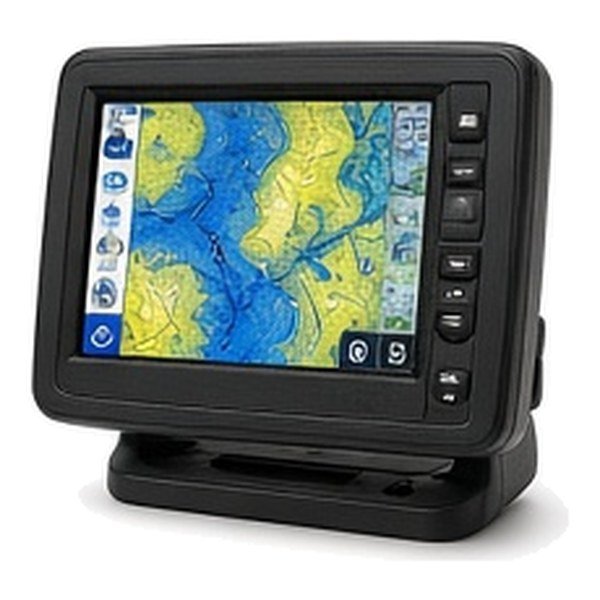
Fish Finder GPS Combos
Check screen brightness in direct sun, chart coverage for your water, and whether the unit is rated for saltwater.
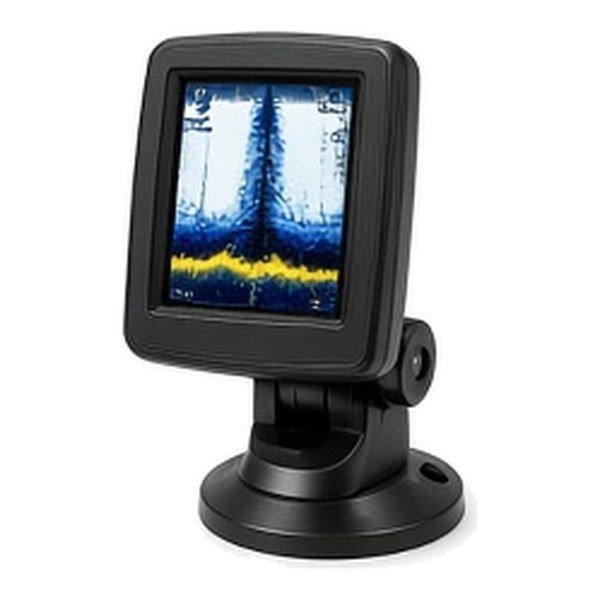
Portable Fish Finders
Look at battery life, wireless range from the sonar pod, and how neatly the parts pack away on a small boat.
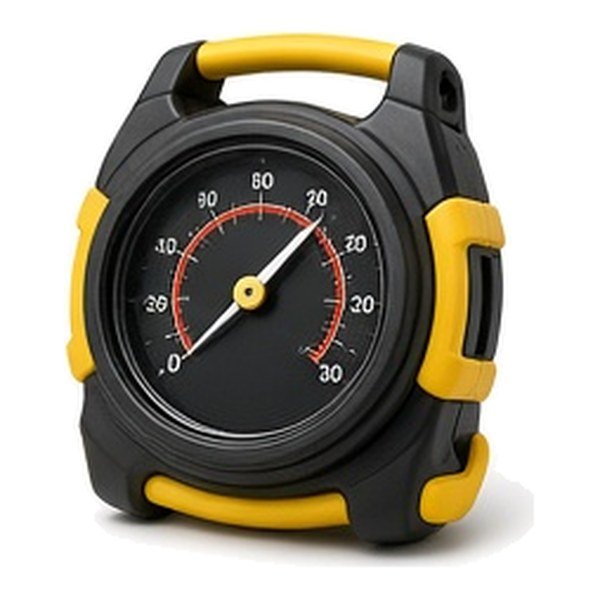
Ice Fishing Flashers
Check the range steps, cone angle, and how the battery holds up in freezing air.

Depth Sounders
Confirm the depth range suits the water you fish and that a transducer comes with the kit.
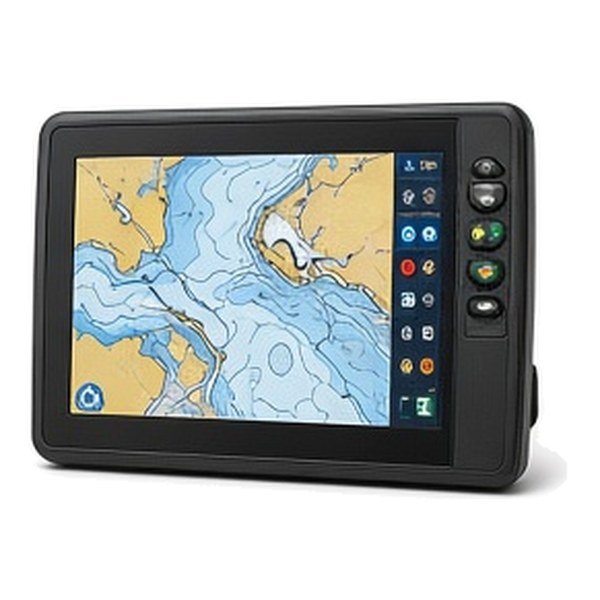
Marine Chartplotters
Compare chart card compatibility, screen size for your helm, and how it links to a sounder you already own.
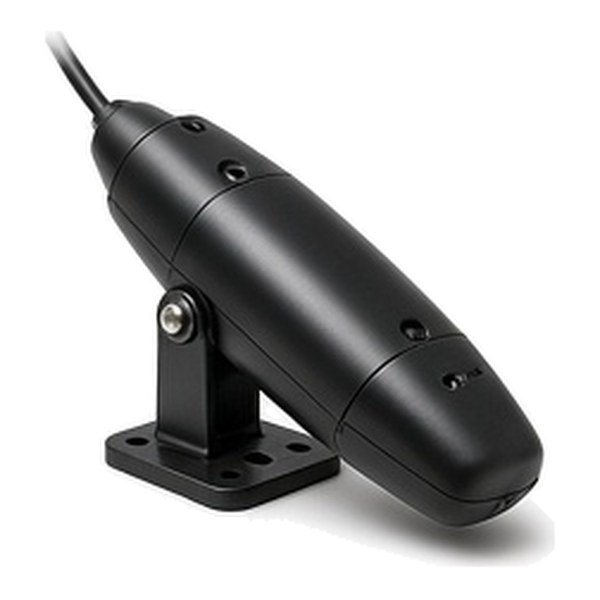
Sonar Transducers
Match the mounting style to your hull, then check frequency and cone angle for the depths you fish.

Fish Finder Mounts
Check the bracket type, whether it grips a kayak track or a flat surface, and how much weight it carries.

Fish Finder Batteries
Match amp hours to a full day of running time, and check the weight if you carry the pack down to a kayak.
Questions Shoppers Ask
Which Fish Finder Is Easiest To Use?
Clear menus, large icons, and automatic depth and fish arches make a unit quick to learn. A portable kit with one cable is the friendliest starting point.
What Size Fish Finder Should I Get?
Match the screen to how far you sit from it and how much helm or rod space you have. Kayaks and small boats do well with compact screens, while a bow mount on a bigger boat can carry a larger display.
What Size Tackle Suits A Fish Finder Rig?
Hook, swivel, and weight sizes all depend on bait size, current, and the species you target. Start with the sizes marked on a pre tied rig, then adjust after a few drifts.
What Size Battery Does A Kayak Fish Finder Need?
Check the current draw in the manual, then choose a pack with enough amp hours for a full day. A small sealed battery in a padded box keeps weight low and connections dry.